
The video lasted less than two minutes, yet it carried the emotional weight of a lifetime. Filmed quietly on a phone at a university graduation ceremony in Jamaica, it showed rows of young graduates suddenly lifting handmade signs above their caps. Written in bold, uneven letters were the words: “Thank you Mr Lightning – we know it’s you, Uncle Bolt.” In the corner of the hall, almost hidden from view, stood a tall, familiar figure. Usain Bolt, the world’s fastest man, did not smile or wave. He did not step forward or accept applause.
Instead, witnesses say he stood frozen, choking back tears, wiping his eyes, and then slowly turned away, leaving the hall in silence. Within hours, the clip spread like wildfire. By nightfall, an entire nation was crying.
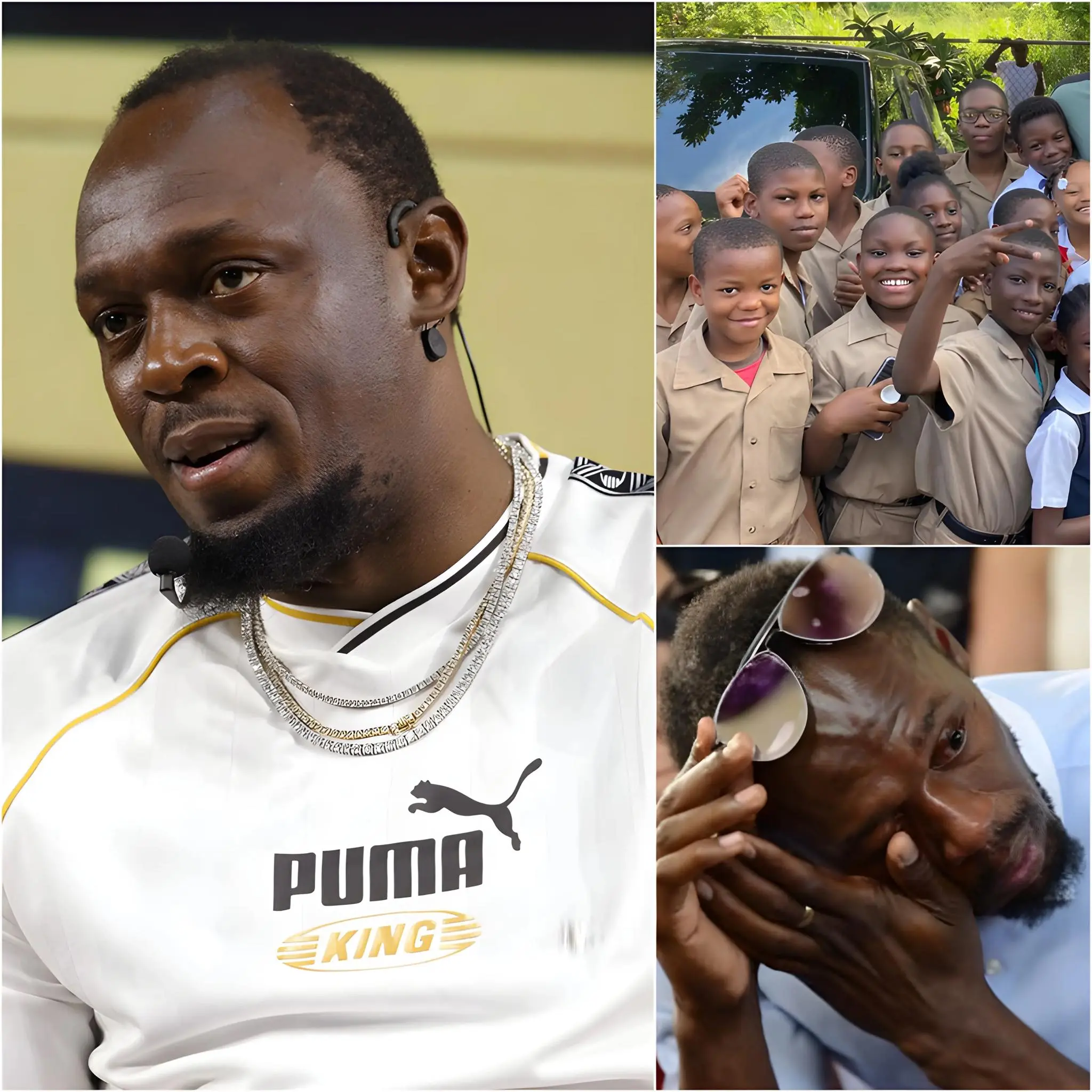
According to students and educators involved, the moment revealed a secret that had been carefully guarded for more than a decade. For 12 consecutive years, a benefactor known only as “Mr Lightning” had quietly funded full scholarships for underprivileged Jamaican children—covering tuition, books, housing, and living costs from secondary school through university. The number of beneficiaries reportedly reached 1,200, spanning rural parishes and inner-city neighborhoods where higher education often feels like an impossible dream. The donor never attended meetings, never requested photos, and never allowed his name to appear on any document.
For years, “Mr Lightning” was spoken of almost like a myth.
Students say the conditions attached to the scholarships were simple and strict: maintain academic standards, support fellow scholars, and give back to the community whenever possible. There were no publicity requirements and no personal contact. Communication came through intermediaries, foundations, and lawyers. Many recipients assumed the donor was an overseas philanthropist or a group of sponsors. Some suspected a famous figure, but without proof, the identity remained a respectful mystery.
That mystery, according to those present, unraveled this year by coincidence rather than intention. A group of graduating students, now adults shaped by years of quiet support, pieced together clues they had noticed over time. The nickname “Mr Lightning,” the unwavering commitment to Jamaican youth, the timing of certain payments during national crises, and the values emphasized in letters that spoke about discipline, humility, and belief. Eventually, the conclusion became unavoidable. They decided to acknowledge the truth not with a speech or a spotlight, but with gratitude.
The graduation ceremony was proceeding as planned when the coordinated gesture unfolded. One by one, then all at once, 200 graduates raised their signs. There was no announcement. The audience murmured in confusion before understanding spread across the room. Cameras turned. Applause began, then faltered, replaced by stunned silence. Bolt, attending as a guest and keeping to the side, reportedly tried to remain unnoticed. Those close enough saw his shoulders shake. He did not approach the stage. He did not take credit. He simply left, overwhelmed.
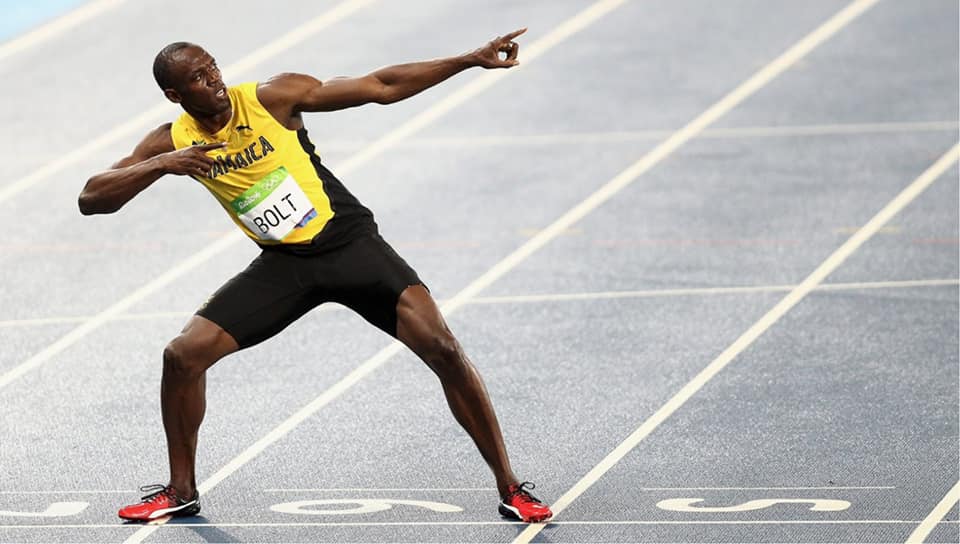
What followed was an outpouring of emotion across Jamaica and far beyond its shores. The clip was shared millions of times, accompanied by messages of pride, gratitude, and disbelief. For many Jamaicans, Bolt has long been a national hero, a symbol of excellence and confidence who carried the island’s flag across the world’s biggest stages. But this revelation, people said, redefined heroism. It showed a kind of greatness that does not seek applause, one that operates in silence and patience, year after year.
Educators involved in administering the scholarships described the impact as transformative. Many recipients were first-generation university students whose families had never imagined such opportunities. The funding did more than pay fees; it provided stability, allowing students to focus on learning instead of survival. Graduates have since become teachers, engineers, nurses, researchers, and community leaders. Several have reportedly started small mentorship programs of their own, inspired by the anonymous generosity that changed their lives.
The symbolism of the name “Mr Lightning” has not been lost on observers. Bolt earned his global nickname through speed, power, and spectacle. Yet this hidden chapter of his life suggests a different interpretation: lightning as illumination, striking quietly and leaving lasting change in its wake. Unlike medals or records, these contributions were never meant to be counted or measured publicly. They were meant to endure.
Bolt himself has not made a formal statement addressing the video. Those familiar with him say that is entirely consistent with his character in this matter. The purpose was never recognition. The purpose was possibility. In a country where talent is abundant but resources are scarce, opening doors for education can alter the course of families for generations. Doing so anonymously removes ego from the equation and places dignity back into the hands of the recipients.
As Jamaica continues to process the emotional weight of the moment, one sentiment echoes again and again: this is what it means to give back. Not as a performance, not as a brand, but as a quiet promise kept over time. Whether or not every detail will ever be officially confirmed seems almost irrelevant to those whose lives were changed. For them, “Mr Lightning” was real long before the world knew his name.
In the end, the most powerful image is not of a man standing on a podium with gold around his neck, but of one standing alone in a corner, wiping away tears as his secret kindness finally found its voice.