
In a dramatic escalation that has sent shockwaves through the professional golf community, American golfer **Cameron Young** has publicly announced he is preparing legal action against fellow PGA Tour competitor **Matt Fitzpatrick** over what he describes as baseless and defamatory accusations of cheating. The dispute, which erupted in the aftermath of the 2026 Players Championship at TPC Sawgrass, threatens to overshadow Young’s recent triumph and raise serious questions about sportsmanship, reputation, and the integrity of the game.

Young, who claimed a thrilling come-from-behind victory at The Players Championship on March 15, 2026, defeating Fitzpatrick by a single stroke in a tense final-round battle, issued a strongly worded statement confirming his intent to pursue litigation. “I will not tolerate despicable people — and I will certainly not accept baseless slander,” Young declared. He emphasized that the allegations were “completely fabricated and unsupported by any evidence,” adding, “A single false accusation can destroy everything. That’s why I will protect my honor by any means necessary.”
The controversy appears to stem from heated moments during the championship’s closing stages, where Young and Fitzpatrick were locked in a head-to-head duel. Young birdied the iconic island-green 17th hole to seize momentum, then held firm with a par on the 18th as Fitzpatrick faltered with a bogey. The crowd’s raucous, pro-American chants and occasional boos directed at the Englishman added to the tension, with Fitzpatrick later comparing the atmosphere unfavorably to the intense 2025 Ryder Cup at Bethpage Black, calling it “child’s play” in comparison but acknowledging the partisan energy.
Amid the post-round discussions, reports surfaced suggesting Fitzpatrick had privately or indirectly questioned aspects of Young’s performance or equipment, with some social media claims alleging the Englishman accused Young of using “illegal technology” on his gear during the tournament. While no official rules violation was reported by PGA Tour officials or on-site referees, and no formal complaint appears to have been lodged with governing bodies at the time of the event, these whispers quickly amplified online, prompting Young’s forceful response.
Young’s statement went further, directly calling on the **United States Golf Association** (USGA) — a key governing body responsible for rules and equipment standards in the sport — to intervene decisively. “I urge the USGA to take clear and strong action to protect the fairness and integrity of the sport,” he said.
“Cheating accusations without merit undermine not just individual players but the entire game we all love and dedicate our lives to.” The USGA, which collaborates with the PGA Tour and R&A on global rules, has yet to comment publicly on the matter, though sources indicate they monitor such disputes closely when they involve potential rule integrity concerns.
The Players Championship, often dubbed the “fifth major” for its elite field and massive $25 million purse, delivered one of its most compelling finishes in recent memory. Young, who entered the final round trailing, mounted a rally that included clutch birdies and steady play under pressure. His victory, worth $4.5 million, propelled him to No. 4 in the Official World Golf Ranking and marked a significant milestone in his career, building on his strong showing at the previous year’s Ryder Cup. Fitzpatrick, the 2022 U.S.
Open champion and a consistent performer, fought valiantly but ultimately came up short, finishing alone in second.
Post-round interactions between the two players appeared cordial on the surface. Young reportedly gave Fitzpatrick a thumbs-up gesture on the 18th green, and Fitzpatrick spoke positively of the competition, noting Young’s composure and skill. However, behind the scenes, tensions evidently simmered. Fitzpatrick, reflecting on the crowd’s behavior, remarked that he had anticipated some hostility given his European Ryder Cup background, but he downplayed its severity compared to past experiences. Young, in contrast, described the fan energy as motivating rather than “disgusting,” highlighting a divergence in how the two interpreted the same environment.
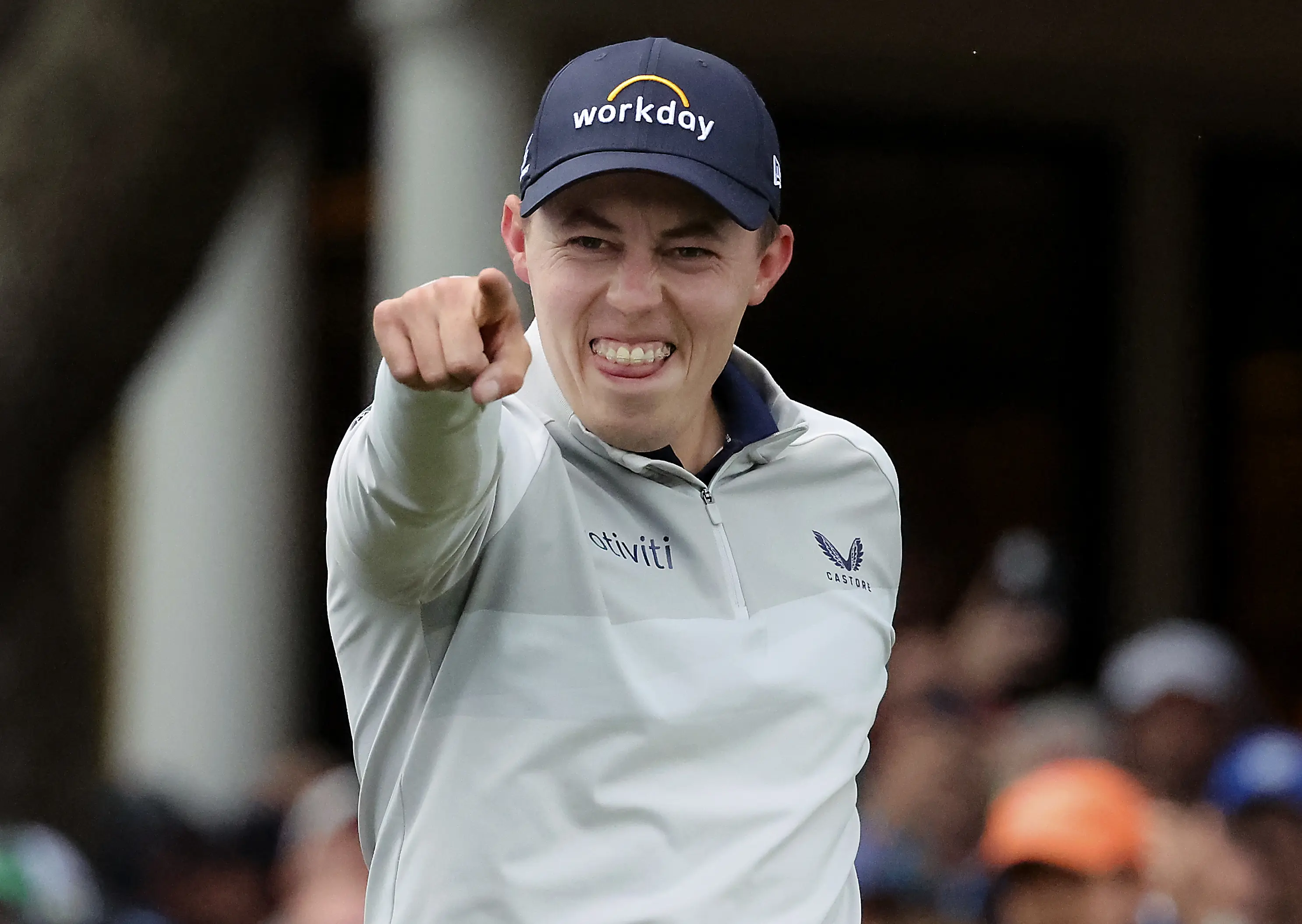
The rapid shift from on-course rivalry to off-course legal threat has stunned observers. Golf has long prided itself on a culture of honor and self-policing, where players call penalties on themselves and disputes are typically resolved quietly or through official channels. Public accusations of cheating are rare and carry heavy weight, as they can irreparably damage a player’s standing among peers, sponsors, and fans. Young’s decision to escalate to legal action signals he views the allegations as crossing a critical line from competitive banter into defamation with real-world consequences.
Legal experts suggest that any lawsuit would likely center on defamation or libel claims, requiring Young to prove the accusations were false, published to third parties, and caused harm — such as reputational damage or lost opportunities. Fitzpatrick would need to defend any statements as opinion, truth, or privileged communication. No formal suit has been filed as of March 16, 2026, but Young’s announcement indicates preparations are underway, potentially in a U.S. court given both players’ PGA Tour activities.
The timing could not be more sensitive for the sport. The Players Championship typically serves as a springboard into the Masters in April, where narratives from Ponte Vedra Beach often carry forward. Instead of celebrating Young’s breakthrough or dissecting the dramatic finish, the golf world now grapples with a potential courtroom battle between two of its rising and established stars. Sponsors, broadcasters, and fans alike will watch closely to see if this remains a private grievance or explodes into a broader reckoning about accountability in professional golf.
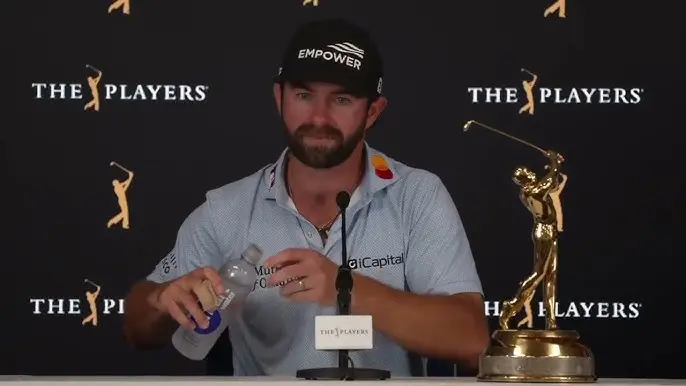
Young’s call for USGA involvement adds another layer, potentially pressuring the organization to review any equipment-related claims or issue a statement reaffirming the tournament’s clean record. The PGA Tour, which oversees the event, has maintained silence so far, consistent with its policy of not commenting on unsubstantiated allegations unless rules are formally breached.
As the dust settles on what was otherwise a showcase of elite golf, the focus has shifted from birdies and bogeys to reputations and recourse. Cameron Young’s determination to defend his name underscores a broader truth in sports: while victories are won on the course, honor is sometimes fought for off it. Whether this dispute resolves amicably, through mediation, or in a courtroom remains to be seen, but its ripple effects could influence how accusations are handled in golf for years to come.