
Australia’s political conversation has entered a volatile phase, marked by anger, fatigue, and a sense of rupture. Recent weeks have seen renewed attention on Pauline Hanson’s One Nation, as dissatisfaction with major parties spills into rallies, donations, and polling narratives discussed widely.
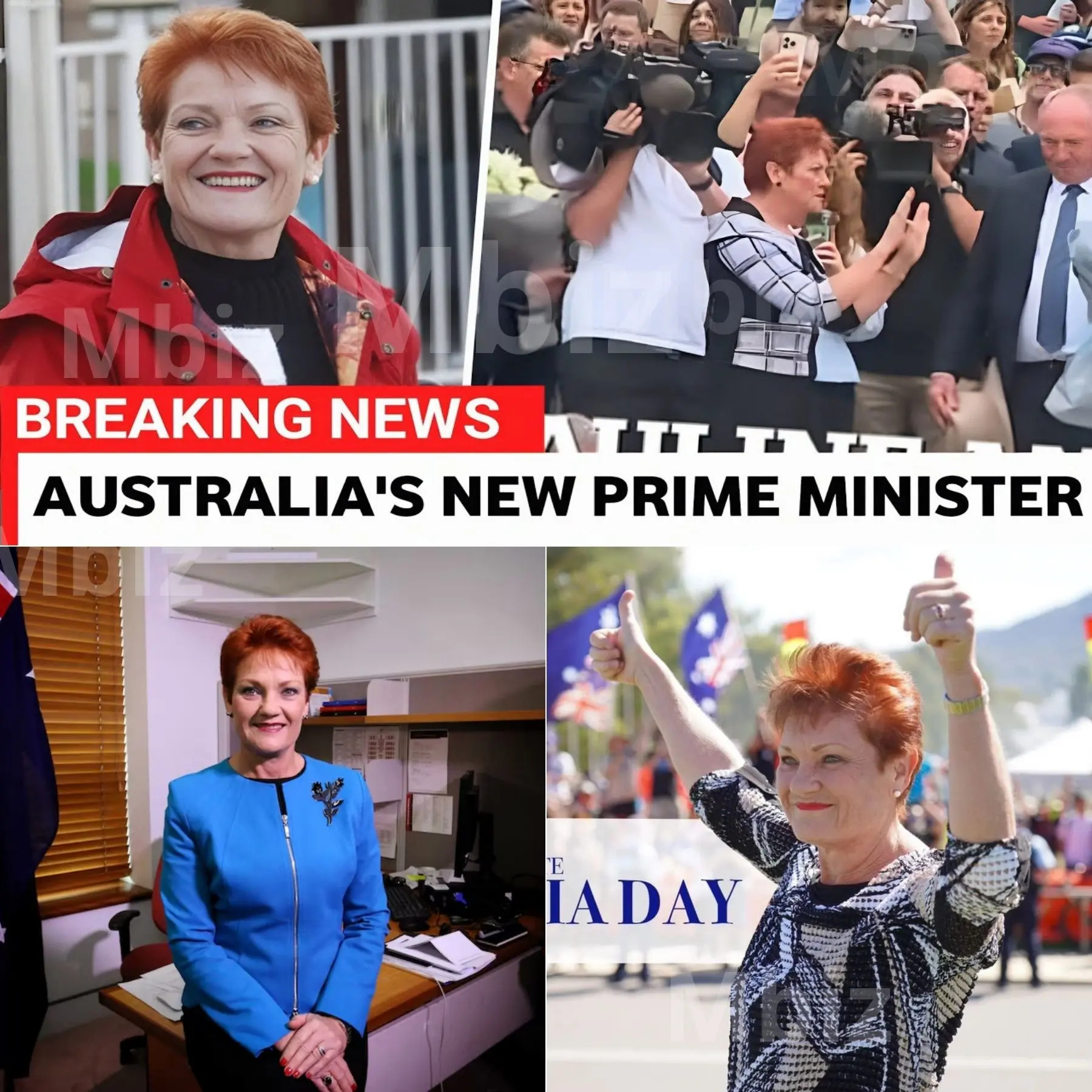
Supporters frame the moment as a resurgence born from frustration. They point to rising living costs, housing shortages, and border management as proof that established parties no longer listen. Critics counter that the surge reflects protest sentiment rather than durable alignment.
The governing Labor Party faces visible strain. Prime Minister Anthony Albanese has defended policy choices amid inflationary pressures and global uncertainty, yet approval ratings have softened, particularly among voters who feel economic relief has arrived too slowly or unevenly.
On the opposition side, the Coalition has struggled to present a unified alternative. Internal disagreements over leadership, climate policy, and social issues have complicated messaging, leaving some conservative voters searching for clearer positions and firmer rhetoric elsewhere.
Into this vacuum, One Nation has sharpened its language. Hanson has described broken promises as betrayal and portrayed her movement as a voice for people excluded from elite decision-making, a framing that resonates with those who feel ignored by Canberra.
Crowds at regional events have grown louder, according to organizers, with attendees expressing anger at taxes, rents, energy bills, and cultural debates. The tone is less celebratory than confrontational, reflecting a broader national mood shaped by economic anxiety.
Analysts caution against overstating momentum. Poll movements can be volatile, especially when protest parties benefit from media attention. Still, the pattern suggests a shift in where disaffected voters direct their frustration during periods of uncertainty.
Donations reportedly increased following high-profile speeches and viral clips, signaling engagement beyond passive support. Financial backing often follows emotional resonance, though sustaining it requires organizational capacity and credible pathways to influence policy outcomes.
Hanson’s rhetoric has avoided nuance, opting instead for blunt accusations and named culprits. Supporters praise the clarity. Detractors argue it simplifies complex problems and risks inflaming divisions without offering workable solutions.
The language of betrayal has become central. It channels a belief that politics has become performative, disconnected from daily struggles. Whether this belief translates into votes depends on turnout, preference flows, and the credibility of alternatives presented.
Labor officials emphasize structural reforms and long-term investments, urging patience. They argue global headwinds constrain options. Yet patience is in short supply among households balancing budgets under persistent cost pressures.
Coalition figures warn that fragmentation on the right could entrench Labor. However, warnings ring hollow when unity remains elusive. The absence of a compelling counter-narrative leaves space for louder, simpler messages to dominate.
Media coverage amplifies the drama. Headlines spotlight rallies and clips, while quieter policy details struggle for attention. This dynamic favors emotive communication, rewarding sharp soundbites over incremental proposals and complex trade-offs.
Political historians note parallels with earlier cycles of protest voting, where outsider parties surge amid disillusionment. Outcomes vary. Some movements institutionalize influence; others fade as conditions change or expectations collide with reality.
Regional Australia features prominently in this story. Concerns about infrastructure, services, and representation persist. Parties that speak directly to these anxieties often find receptive audiences, especially when metropolitan debates feel remote.
Urban voters show mixed reactions. Some share economic worries but reject polarizing language. Others, disenchanted with major parties, view protest support as leverage rather than endorsement, a signal to recalibrate priorities.
Hanson’s critics highlight policy gaps and past controversies. They question governance readiness and warn that anger alone cannot manage budgets, negotiate trade, or deliver services. Supporters reply that accountability begins with disruption.
The phrase “kicking down the door” captures the confrontational energy, though it also underscores risks. Democratic systems rely on institutions. Challenging them can energize reform or destabilize trust, depending on outcomes and intent.
Polling methodologies and margins matter. Small swings can appear dramatic when amplified. Independent verification and trend analysis over time will clarify whether momentum reflects durable change or momentary intensity.
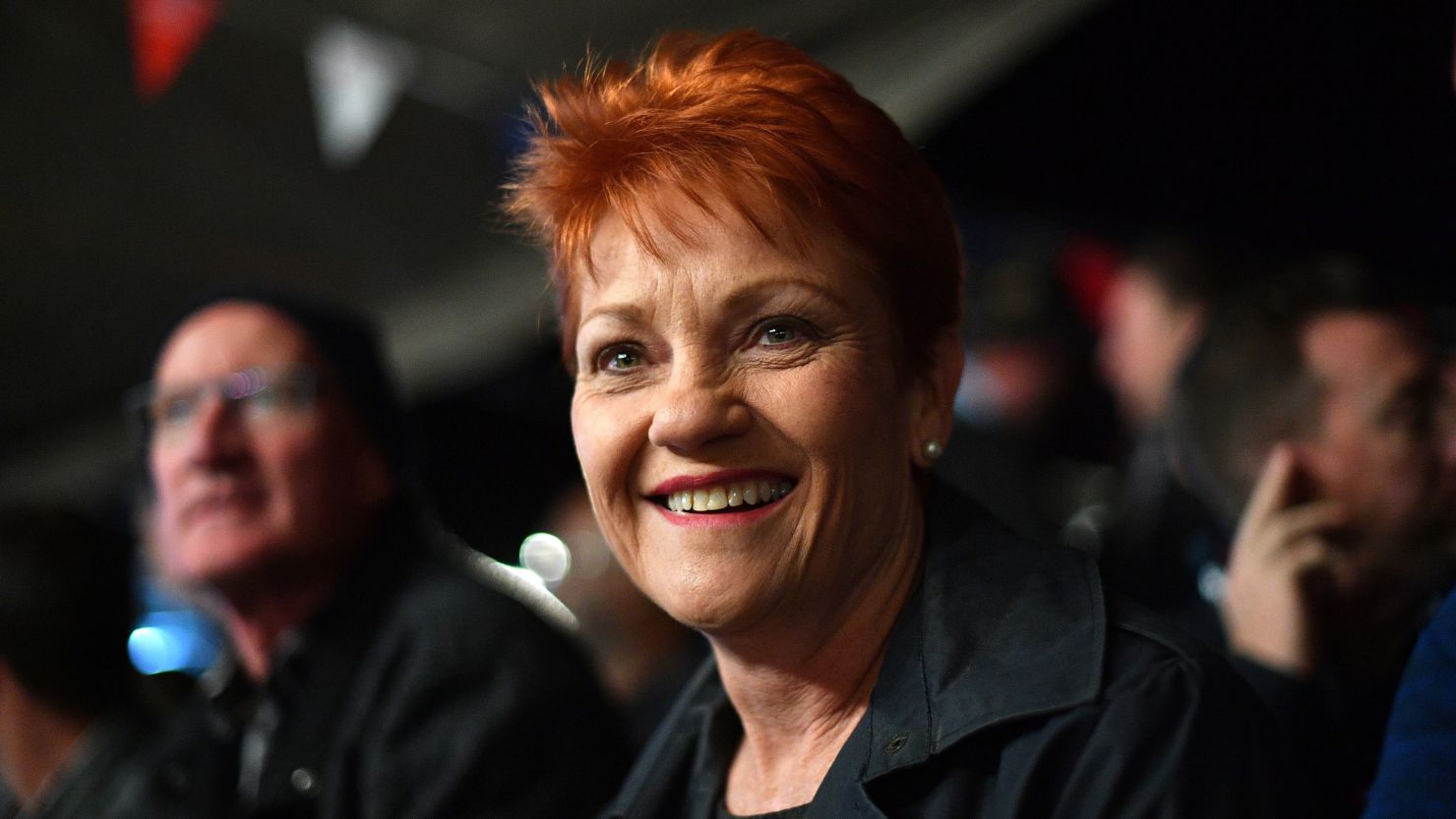
Campaign professionals observe that movements thrive when grievances align with identity and belonging. The sense of a shared struggle can be powerful, but sustaining coalitions requires bridging differences among supporters themselves.
Labor and Coalition strategists are recalibrating. Expect sharper contrasts, targeted messaging, and renewed outreach. Whether these efforts restore confidence depends on delivery, not slogans, amid continued economic pressure.
Australia’s electoral system, with preferences, complicates predictions. Minor parties can influence outcomes without winning seats outright, shaping policy debates and legislative negotiations in subtle but consequential ways.
Public trust remains the central currency. When trust erodes, voters seek authenticity. They may accept imperfect proposals if they believe leaders are listening and acting in good faith.
As the conversation intensifies, the responsibility of accuracy grows. Claims about borders, housing, and costs demand evidence. Emotion can mobilize, but credibility sustains movements through scrutiny and governing tests.
The coming months will reveal whether this surge crystallizes into lasting power or dissipates as conditions evolve. What is clear is a widespread impatience with the status quo and a demand for clearer answers.
Australia’s politics rarely move in straight lines. Periods of turbulence often precede recalibration. Whether the phoenix metaphor holds will depend on organization, policy depth, and the electorate’s judgment at the ballot box.
For now, the noise signals a country arguing with itself about direction, fairness, and representation. The outcome will be shaped not by volume alone, but by who earns trust when choices finally count.